Political change transmits into the crypto-asset market mainly through regulation: expectations about what will be authorised, what will be pursued and which investment vehicles get approved. It is an expectation about future rules, which is why the move typically runs far ahead of any effective legislation.
1. introduction
The cryptocurrency market, known for its volatility and boom-and-bust cycles, has once again entered a period of explosive growth known as Bullrun. This phenomenon, characterized by significant increases in the prices of Bitcoin, Ethereum and other cryptocurrencies, is fueled by economic, technological and, increasingly, political factors.
Donald Trump's recent victory in the U.S. presidential elections has not only reconfigured the political landscape, but it has also had a notable impact on the crypto world. Since their triumph, the prices of major cryptocurrencies have experienced accelerated growth, accompanied by an increase in institutional interest and increased activity in decentralized markets.
Why do cryptocurrencies react so intensely to political events? What makes politics a catalyst for the crypto market? In this article, we'll explore how Trump's victory is influencing the crypto ecosystem, analyze historical events in which politics has played a key role, and discuss how Trump's return could shape the future of decentralized finance.
2. History of Politics and Cryptocurrencies
Cryptocurrencies were born at a time of global financial crisis, as a response to distrust in traditional institutions. Since then, political events have played a fundamental role in the narrative and evolution of the crypto market. Next, we'll examine some key moments in this relationship:
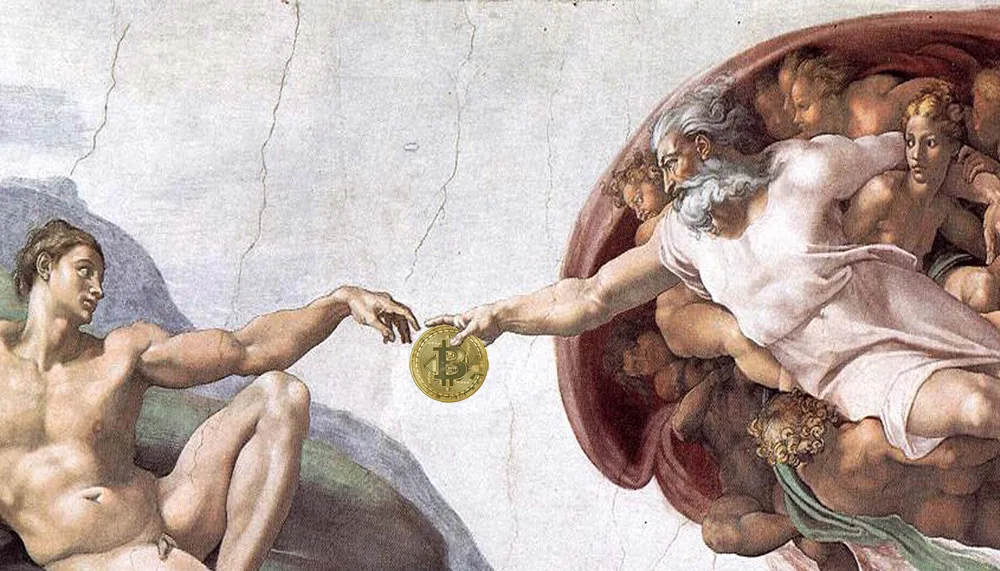
The birth of Bitcoin after the 2008 crisis
In 2008, the collapse of the global financial system triggered a series of rescue policies by governments and central banks. These measures, although necessary to stabilize the economy, raised concerns about inflation and the concentration of power in the hands of a few institutions.
Bitcoin, presented in Satoshi Nakamoto's famous whitepaper, was designed as a decentralized alternative to fiat money. The phrase included in your first block of the blockchain, “Chancellor on Brink of Second Bailout for Banks”, underlined its anti-establishment nature.
Brexit (2016)
The decision of the United Kingdom to leave the European Union generated a wave of economic and political uncertainty. During this period, Bitcoin and other cryptocurrencies benefited as safe haven assets. According to data from CoinGecko, the price of Bitcoin increased by 25% in the three months following the referendum, consolidating its position as a “digital gold”.
U.S. Elections and Chinese Regulations
In 2017, the presidential elections in the United States and regulatory policies in China significantly influenced the market. The ban on ICOs (initial coin offerings) and restrictions on Chinese exchanges caused temporary drops in prices. However, these events also demonstrated the market's ability to adapt and grow in the face of adversity.
These events illustrate a clear pattern: political uncertainty often drives demand for cryptocurrencies, while regulatory decisions determine their long-term adoption and growth.
3. The relationship between Trump and Cryptocurrencies
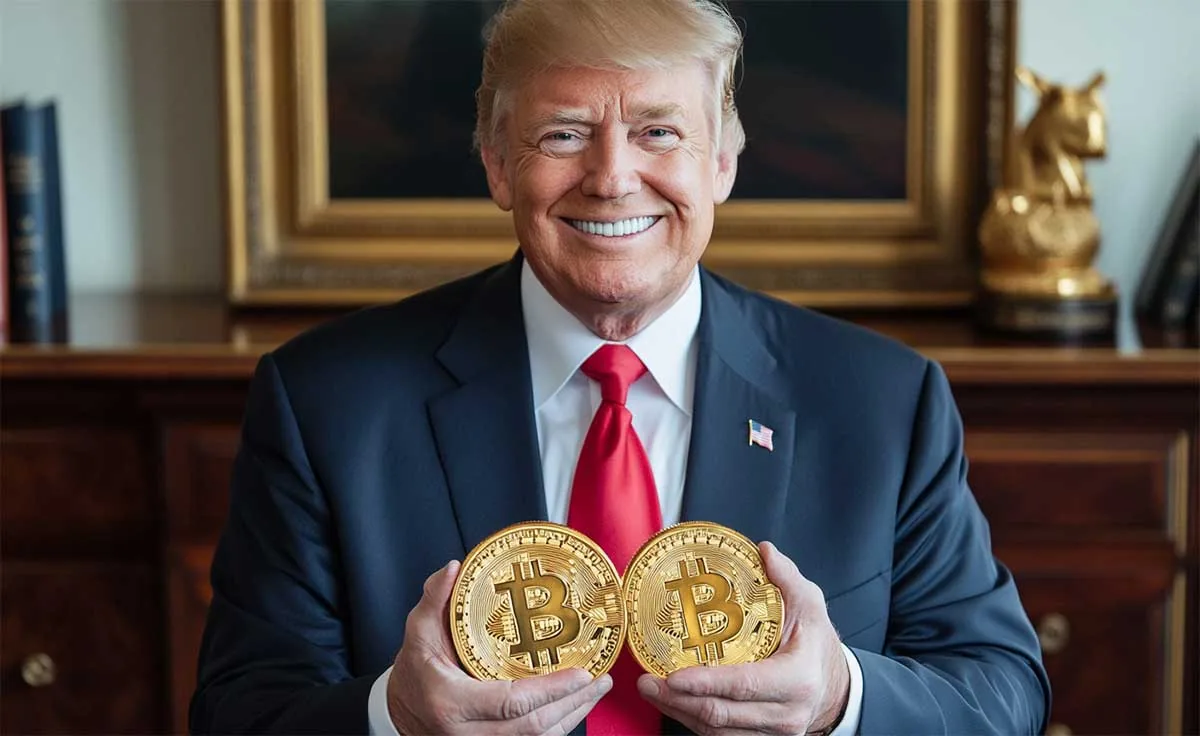
Donald Trump's return to the presidency raises interesting questions about the impact of his policies on the crypto ecosystem. Although Trump has expressed critical views toward Bitcoin in the past, his focus on issues such as fiscal reform, the independence of the Federal Reserve, and the strengthening of the U.S. economy could have positive implications for cryptocurrencies.
Trump and the weak dollar
During his previous term, Trump pushed for a less strong dollar to increase the competitiveness of U.S. exports. This generated debates about the stability of the dollar as a global reserve currency. A weakened dollar often benefits Bitcoin and other cryptocurrencies, as investors seek alternatives to preserve their value.
Position toward the Federal Reserve
Trump has been an outspoken critic of Fed policies, particularly with regard to high interest rates. If your administration adopts expansionary monetary policies, we could see an increase in inflation, which has historically driven the adoption of cryptocurrency as a hedge.
Incentives for technological innovation
Although Trump has not shown explicit enthusiasm for Bitcoin, his previous administration supported initiatives in blockchain technology. With the rise of decentralized finance (DeFi) and smart contracts, an innovation-friendly policy could accelerate the adoption of these technologies in sectors such as logistics, commerce and financial services.
4. Today's Bullrun: Is it different?
The current Bullrun has characteristics that distinguish it from previous cycles, many of which are influenced by the global political and economic context:

Unprecedented institutional growth
The interest of financial giants such as BlackRock, Fidelity and others in Bitcoin ETFs reflects an institutional acceptance that previously seemed unlikely. This factor has injected significant liquidity into the market and increased the legitimacy of cryptocurrencies as an asset class.
Mass adoption in emerging markets
In countries with unstable economies, cryptocurrencies are being adopted as a medium of exchange and store of value. According to a Chainalysis report, regions such as Latin America and Africa have seen a 30% increase in adoption during 2024.
The role of the DeFi and Web3 sector
Decentralized finance platforms have proven to be resilient, attracting capital through their ability to deliver attractive returns and operate outside the traditional banking system. Projects such as Uniswap, Aave and Curve are leading this trend, with daily volumes exceeding $10 billion.
5. Future Impact of the Trump Administration on the Crypto Ecosystem
Trump's return could have a significant impact on several aspects of the crypto ecosystem. Here are some of the key areas that could benefit or face new challenges:

Clearer and more stable regulation
One of the biggest challenges for the sector has been the lack of regulatory clarity in the United States. An administration that prioritizes economic competitiveness could establish more defined regulatory frameworks, providing stability to institutional investors.
Tax incentives for blockchain projects
Tax reform could include benefits for companies that adopt innovative technologies, encouraging investment in blockchain-based projects. This could boost the development of applications in sectors such as health, education and transport.
Tokenization of traditional assets
The tokenization of real estate, stocks and other assets could see a boom during Trump's term, facilitating the democratization of access to these markets. According to PwC, asset tokenization is expected to reach a value of $1.5 trillion by 2028.
Cryptocurrency mining support
With a focus on strengthening energy infrastructure, the United States could position itself as a leader in cryptocurrency mining, reducing dependence on regions such as Asia. States such as Texas and Wyoming are already attracting investment in this area.
6. Final Thoughts and Conclusion
Donald Trump's victory marks a crucial moment for cryptocurrencies and the blockchain ecosystem. In a global environment where economic uncertainty remains high, cryptocurrencies are consolidating their role as safe haven assets and engines of technological innovation.
Today's Bullrun is not only driven by traditional factors such as adoption and innovation, but also by changes in the political landscape. The return of Trump, with his focus on the economy and tax reform, could be a catalyst for a new era in decentralized finance.
However, this time also brings challenges. Regulation will be a key battleground, and the direction the administration takes could determine whether the United States becomes a leader or a laggard in the crypto world.
For investors and developers, the key will be to stay informed, adapt to new dynamics and take advantage of opportunities that arise in this exciting period. We are witnessing a unique convergence between politics and decentralized finance, and the future promises to be as volatile as it is fascinating.